
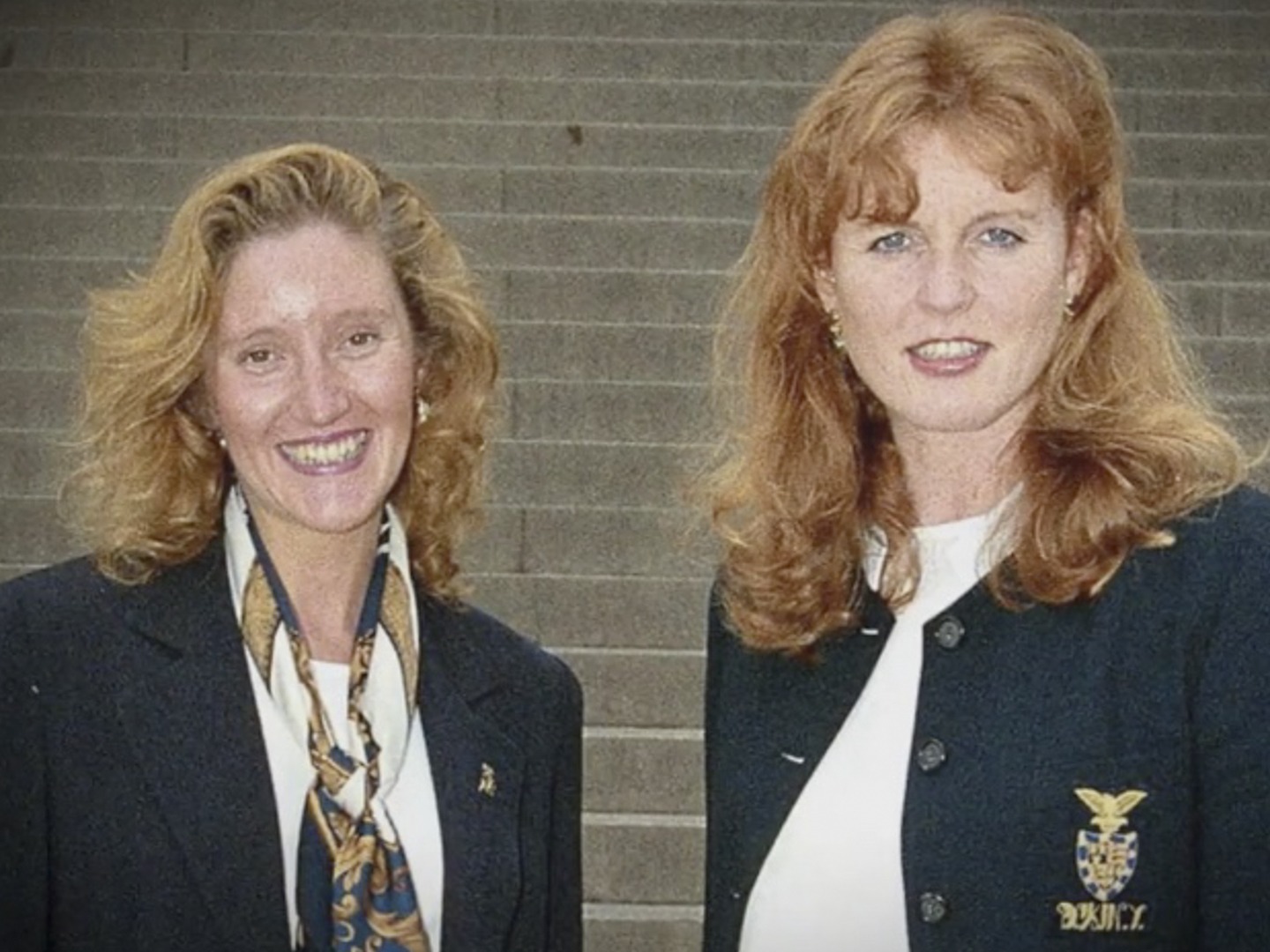
The name Jane Andrews most commonly refers to Jane Dawn Elizabeth Andrews (born 1 April 1967), an English former royal dresser whose life became the subject of intense public attention after she was convicted of murdering her partner, Thomas “Tommy” Cressman. Her story is frequently discussed not only as a crime case, but as a stark narrative about ambition, class anxiety, obsession, and the way proximity to power can magnify personal collapse.
In recent years, renewed media interest has brought her case back into the spotlight through documentaries and drama, including a high-profile TV dramatization that revisits the events and the social themes around them.
Early Life and the Drive to Rise
Jane Andrews was born in Cleethorpes, Lincolnshire, and came from a working-class background. Accounts of her early life often emphasize that she was bright and ambitious, with strong academic potential and an intense desire to move beyond the limitations she felt around her.
That ambition mattered because it became a defining thread in how the public later interpreted her story. In many retellings, Andrews is portrayed as someone who believed reinvention was possible if she could get close enough to the right world, learn its codes, and be accepted inside it. This is not unusual in itself. What made her narrative exceptional was the distance she travelled, and the severity of the ending.
Working for Sarah Ferguson: A Role Close to the Royal Spotlight
Andrews became a dresser to Sarah Ferguson, Duchess of York, working for her from 1988 to 1997. That job placed Andrews in a rare position: close enough to royalty to witness the pressure, image-making, and routine performance of public life, yet still an employee whose status remained fragile and conditional.
Royal household roles often require a particular kind of emotional discipline. You must be discreet, responsive, and meticulous, and you must understand how appearances and symbolism function in elite public life. For Andrews, the job also represented status, identity, and a sense of arrival.
Her employment ended in 1997. Later commentary around the case frequently frames that moment as a psychological rupture for her, because it removed the structure and prestige she had built her self-image around.
Life After the Palace and a Relationship That Became the Center of Everything
After leaving her royal role, Andrews entered a relationship with Thomas Cressman, a stockbroker. Public reporting and later dramatizations describe the relationship as turbulent, increasingly unstable, and emotionally consuming, with conflict escalating around commitment, control, and rejection.
Many true-crime cases hinge on a visible trigger. Here, the relationship itself became the environment in which the tragedy grew. The public fascination with this case has often come from the contrast: a former royal staffer, a partner with wealth and social standing, and a private domestic space that turned into a crime scene.
The Killing of Thomas Cressman and the Trial
Jane Andrews was convicted of murdering Thomas Cressman and was sentenced to life imprisonment in 2001. She later became eligible for release, and reporting notes she was released from prison in 2019 and remains “on licence,” meaning subject to conditions.
Because this is a real case involving a violent death, it is important to keep the focus on verified facts rather than sensational detail. What’s most relevant for an overview is that the conviction and sentence became the pivot point that permanently redefined her public identity from royal staffer to convicted murderer.
Why the Case Became a Cultural Fixation
The Andrews case is repeatedly revisited because it sits at the intersection of several forces that the public finds gripping.
One is the “inside the palace” factor. Any story touching royal life tends to attract attention, because monarchy functions as both institution and mythology.
Another is the class narrative. A working-class woman enters a rarefied world, tastes status, loses it, and then spirals into a relationship where status, security, and fear of abandonment become intertwined.
A third is the psychological dimension. The case is often framed as a warning about obsession and emotional dependency, and about what can happen when a person builds their entire identity around external validation and one relationship.
Renewed Attention Through TV and Media
In 2026, Andrews’ story returned to headlines through new coverage around a dramatization that retells her rise and fall, emphasizing themes like class, ambition, and tragedy. This kind of revival matters because it shapes how new audiences understand older cases. A drama can widen awareness, but it can also simplify or stylize reality. When consuming dramatized versions, it’s best to treat them as interpretations built around known events, not as primary records.
Where Things Stand Now
Publicly available summaries describe Andrews as having been released in 2019 and living under licence conditions. Beyond that, reliable details about her private life post-release are limited, and it’s appropriate to keep the focus on what is verifiable.
The Larger Meaning People Take From the Story
Whether discussed in true-crime circles or broader cultural commentary, the Jane Andrews case often becomes a conversation about pressure and identity: what happens when a person mistakes proximity to prestige for personal security, and what happens when emotional survival becomes dependent on someone else’s approval.
It also reflects something more modern: the way a single catastrophic act can collapse every prior chapter of a life into one label, and the way media repetition can keep that label alive for decades.