
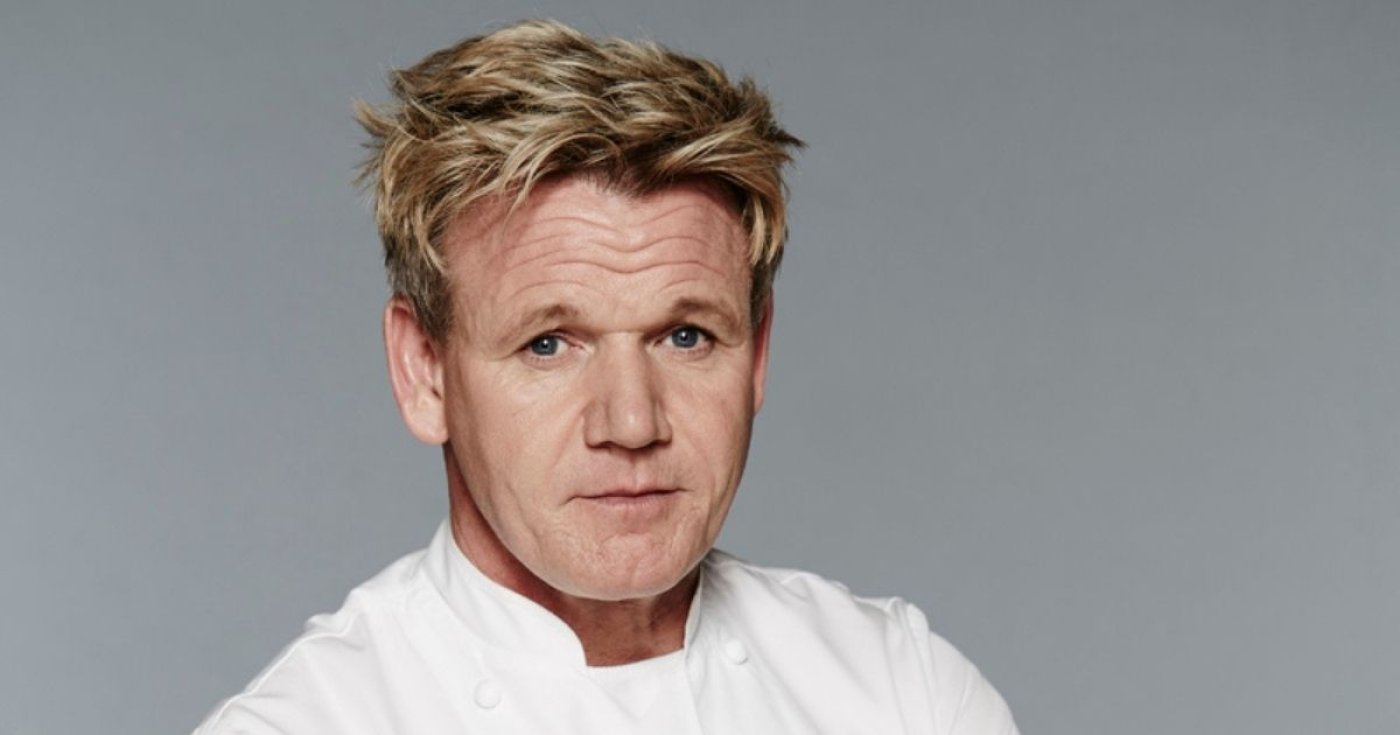
Gordon Ramsay is not just a celebrity chef. He is a global brand, a restaurateur with decades of Michelin-level credibility, a television personality known for explosive intensity, and a businessman who turned culinary discipline into international entertainment. His career spans fine dining, casual dining, publishing, reality television, digital media, and hospitality training. Yet at the centre of all that expansion is something far simpler: an uncompromising standard for quality.
Born on 8 November 1966 in Scotland, Ramsay’s early life was marked by instability and challenge. Rather than weakening his ambition, it sharpened it. Before stepping into professional kitchens, he pursued football seriously, but injury redirected his focus. That redirection became a defining pivot. Instead of sport, he channelled competitive instinct into cooking, entering an industry that demands both physical stamina and mental resilience.
Classical Training and the Making of a Perfectionist
Ramsay’s development as a chef was shaped by working under some of the most demanding figures in European fine dining. The culture of those kitchens revolved around precision, hierarchy, and relentless repetition. Mistakes were not tolerated because, in elite restaurants, every plate represents reputation.
This early immersion built the template for his leadership style. In interviews and programming, Ramsay often emphasises that pressure is not cruelty for its own sake. It is preparation for the real stakes of service. A dinner rush in a Michelin-starred restaurant is not casual. It is coordinated performance under scrutiny.
That foundation is why his brand carries weight in professional circles. He did not begin with cameras. He began with technique.
Restaurant Gordon Ramsay: The Flagship Standard
Restaurant Gordon Ramsay in Chelsea, London, opened in 1998 and quickly earned critical acclaim. It achieved three Michelin stars in 2001 and has retained them for decades, placing it among the elite of global gastronomy. Maintaining that status requires constant evolution, not complacency.
Three Michelin stars are awarded for exceptional cuisine worth a special journey. Retaining them is often harder than earning them. For Ramsay, the restaurant is more than a business asset. It is proof that behind the television persona lies sustained culinary excellence.
The restaurant focuses on refined French-inspired cuisine, emphasising balance, technique, and ingredient purity. The dining room atmosphere is elegant yet restrained, reinforcing that luxury is about control rather than excess.
Building a Multi-Concept Restaurant Group
Beyond the flagship, Ramsay expanded into multiple dining formats. His restaurant group includes fine dining establishments such as Pétrus and Savoy Grill, alongside more accessible concepts like Bread Street Kitchen and Street Pizza. This diversification allows the brand to reach varied audiences without abandoning quality expectations.
Operating dozens of restaurants globally requires a layered management structure. Executive chefs are trained within the Ramsay system. Standards are audited. Menus are tested and adjusted. This operational backbone explains how the brand has sustained scale without collapsing under inconsistency.
Expansion into markets such as the United States, the Middle East, and Asia reflects a calculated approach: choose locations with strong hospitality infrastructure and audiences familiar with his television presence.
Television: Reinventing Food as Prime-Time Drama
Ramsay’s transition into television altered both his career and the food entertainment industry. Programmes like Hell’s Kitchen, Kitchen Nightmares, and MasterChef transformed professional kitchen pressure into mass entertainment.
Hell’s Kitchen places contestants in a high-stakes restaurant environment, with Ramsay guiding, critiquing, and eliminating competitors. The show’s format blends competition with mentorship. While his intensity is amplified for dramatic effect, the technical expectations mirror real culinary standards.
Kitchen Nightmares introduced a different format. Ramsay visited struggling restaurants, diagnosing operational failures and interpersonal breakdowns. These episodes often revealed that poor management, not poor recipes, is the root cause of failure. The show highlighted the importance of leadership, systems, and accountability.
MasterChef, in its various international versions, positioned Ramsay as a judge who balances strictness with constructive guidance. This role allowed audiences to see a broader emotional range, including encouragement and respect for genuine talent.
Beyond Anger: The Mentor and Family Man
The public image of Ramsay as permanently furious is incomplete. Over time, viewers have seen a more rounded persona. In interviews and documentaries, he speaks openly about discipline, fatherhood, and the importance of resilience.
Ramsay and his wife Tana have five children, and he often shares family moments publicly. His children have occasionally appeared in programming, offering a contrast to his intense professional persona. This balance between public ferocity and private warmth humanises his brand.
He has also mentored numerous chefs who have gone on to achieve their own success. Many former protégés credit him for teaching consistency and emotional endurance.
Publishing, Digital Media, and Global Reach
Ramsay has authored multiple cookbooks, ranging from professional-level recipes to accessible home cooking guides. These books extend his influence beyond restaurants and television studios.
Digital platforms further amplify his reach. Short-form cooking videos, behind-the-scenes restaurant clips, and quick recipe demonstrations reach millions across social media. This digital presence keeps the brand relevant for younger audiences who may consume food content primarily through mobile devices.
Streaming services have also broadened access to his programming. Episodes once limited to traditional TV schedules are now available on demand worldwide.
Business Philosophy: Discipline as a Brand
At the heart of Ramsay’s empire lies a simple principle: systems create freedom. In restaurants, this means mise en place, hygiene protocols, and strict service choreography. In business, it means scalable structures, quality audits, and brand protection.
Ramsay’s reputation for intensity serves a purpose. It reinforces the expectation that mediocrity will not be tolerated. In hospitality, where margins are tight and customer loyalty fragile, that insistence on quality can determine survival.
He frequently emphasises preparation. Preparation reduces panic. Panic reduces performance. This mindset extends beyond kitchens into media production and brand expansion.
Controversies and Critiques
Like many high-profile personalities, Ramsay has faced criticism. Some argue that his on-screen confrontations risk glorifying aggressive workplace behaviour. Others question whether reality television distorts professional kitchen culture.
However, defenders point out that editing amplifies moments for dramatic effect. In many behind-the-scenes accounts, Ramsay is described as focused and demanding rather than chaotic.
The broader conversation reflects evolving workplace expectations. Modern hospitality culture increasingly values respectful leadership alongside high standards.
Awards and Recognition
Ramsay has received numerous accolades, including Michelin stars and industry honours recognising his contribution to culinary arts and television. In 2006, he was awarded an OBE (Officer of the Order of the British Empire) for services to the hospitality industry.
Awards matter in building legacy, but longevity matters more. Ramsay’s career now spans over three decades, demonstrating durability rather than a fleeting spike in popularity.
Cultural Influence and the “Celebrity Chef” Era
Gordon Ramsay belongs to a generation that transformed chefs into public figures. Alongside contemporaries, he helped redefine cooking as aspirational entertainment rather than niche craftsmanship.
His impact is visible in the number of cooking competitions worldwide. The template of high-stakes judging and transformation narratives owes much to his style.
He also influenced culinary education. Many young chefs cite televised kitchen environments as inspiration for entering hospitality schools.
The Future of the Ramsay Brand
As hospitality evolves, Ramsay continues adapting. Sustainability, plant-forward menus, and ethical sourcing increasingly shape restaurant strategy. Digital integration, from reservation systems to online ordering, remains central.
The next generation of chefs trained under his system will likely carry forward the brand’s standards while adapting to contemporary tastes.
In a competitive global industry, maintaining relevance requires constant recalibration. Ramsay’s track record suggests he understands that growth depends on reinvention without abandoning core principles.
Why Gordon Ramsay Still Matters
Gordon Ramsay’s influence extends beyond the plates served in his restaurants. He redefined how the public views professional cooking. He demonstrated that high standards can coexist with mass entertainment. He built a business empire rooted in culinary credibility.
His story is ultimately about transformation. A young man redirected from sport into kitchens built an empire that bridges Michelin stars and mainstream television. The intensity that once shaped him as a chef now shapes an international brand.
In an era where trends fade quickly, Ramsay’s career stands as proof that substance, when paired with adaptability, can sustain global relevance for decades.