
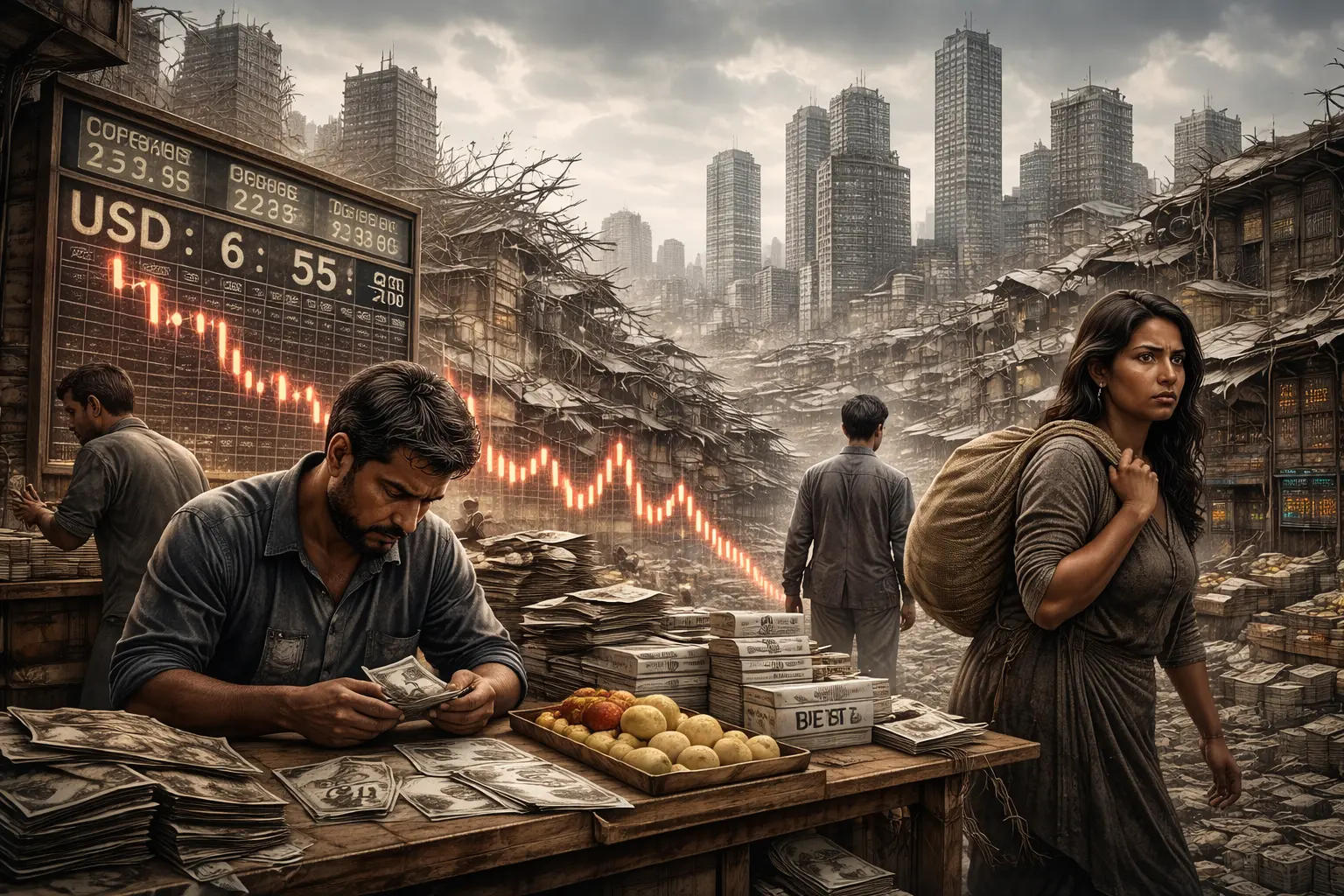
Financial markets move on information, liquidity, psychology, and cycles. Astrology does not replace fundamentals or macro data, yet it offers a structured way to think about timing, sentiment shifts, and “regime changes” that often arrive before economists agree on what changed. In 2026, the sky delivers several rare, generational transitions that tend to correlate with new narratives in technology, geopolitics, currencies, and risk appetite. This article gives you a practical, year-long market outlook across global equities, commodities, currencies, and crypto, using astrological reasoning you can translate into portfolio behavior, risk management, and timing discipline.
A quick note on method. Astrological market work usually blends long-cycle planets for macro regime signals with faster cycles for timing, volatility windows, and sentiment. In Western financial astrology, the outer planets and major conjunctions map cleanly to multi-year themes, while eclipses and retrogrades often mark short-term turning points, reversals, or liquidity events. In Vedic-style market thinking, transits and nodal changes are often interpreted through their nature and sign strength, with emphasis on Jupiter for expansion, Saturn for contraction and restructuring, and Rahu–Ketu (nodes) for crowd behavior and extremes. The most reliable use-case is not “one exact price target,” but a probability-based framework for when markets are more likely to trend, whipsaw, or reprice risk.
What makes 2026 stand out is the clustering of several major shifts. Neptune settles into Aries in late January, Saturn re-enters Aries in mid-February, and Uranus moves into Gemini in late April, while Jupiter enters Cancer in early June. Each of these shifts can change the “tone” of capital markets and the stories investors buy into. Neptune’s Aries ingress is widely noted as January 26, 2026 in tropical astrology. Saturn’s Aries return is commonly cited as February 13, 2026, beginning a long stretch of Saturn in Aries. Uranus’ Gemini ingress is often given as April 26, 2026. Jupiter’s entry into Cancer is commonly listed around June 2, 2026 in many transit calendars.
From a market lens, this combination frequently points to a year where narratives shift quickly, leadership rotates, and old valuation anchors get challenged. It can also describe a year where “new rules” appear in policy, regulation, and technology, especially in the second half as Jupiter amplifies themes while Uranus accelerates disruption.
The 2026 Macro Headline: Fire and Air Replace Water and Earth
A simple symbolic translation helps investors. Aries is fire: speed, initiative, conflict, pioneering, and decisive action. Gemini is air: information, networks, trade, media, coding, transportation, and rapid narrative rotation. Cancer is water: public mood, housing and domestic priorities, food and supply, security, and the protection instinct. When the collective sky shifts toward Aries and Gemini, markets often price in faster innovation cycles, more “winner-take-most” dynamics in communication and technology, and a noisier political and geopolitical environment.
Neptune in Aries tends to reframe collective ideals around leadership, identity, and “mission.” Neptune blurs boundaries, but Aries wants clarity and action. The shadow is confusion packaged as certainty, or ideology packaged as product. The gift is inspiration that creates new movements, new brands, and new industries. Neptune’s long stay in Pisces correlated with boundary-less finance stories, endless liquidity narratives, and widespread digital escapism. Neptune in Aries can pivot the story toward sovereignty, defense, and competitive leadership.
Saturn in Aries adds structure to that fire, but Saturn is traditionally uncomfortable in Aries because Aries moves first and Saturn asks for planning. That friction often shows up as regulatory tightening, hard constraints on hype, and leadership tests. Markets can still trend, but they tend to punish weak balance sheets and overpromising faster than in a “pure Jupiter” year.
Uranus in Gemini is historically a major signal for communication revolutions, information shocks, and disruptive shifts in mobility, trade, and education. Even if you do not rely on historical analogs, the symbolism is consistent with AI acceleration, new chips and network infrastructure cycles, cybersecurity arms races, and sudden shifts in market microstructure and media behavior. The practical takeaway is that sector leadership can rotate more often, and “story risk” rises because narratives can flip within weeks instead of quarters.
Jupiter in Cancer is a powerful amplifier for themes of safety, domestic demand, food and agriculture, housing and shelter, and the collective emotional climate. In market terms, it can favor defensive growth, “security of supply” trades, and policies that protect the household and the nation-state. It can also lift commodities tied to essentials when paired with geopolitical stress.

Planetary Cycles Shaping Global Markets in 2026
The year 2026 marks a decisive shift in market psychology as several slow-moving planets change signs. Saturn and Neptune moving into Aries signal a transition from liquidity-driven optimism toward leadership, discipline, and accountability. This combination often brings sharper market reactions to policy decisions, earnings quality, and geopolitical developments.
Key Timing Windows: Eclipses and Retrogrades That Matter for Markets
Eclipses often show up as volatility windows, turning points, or surprise catalysts. In 2026, the eclipse calendar includes an annular solar eclipse on February 17, a total lunar eclipse on March 2–3, a total solar eclipse on August 12, and a partial lunar eclipse on August 27–28. In practical trading terms, eclipses can coincide with headline-driven gaps, sudden sector repricing, or policy and geopolitical surprises. They are not “cause equals effect,” but they are useful as risk windows.
Mercury retrograde is a classic period for revisions, data errors, rumor cycles, renegotiations, and tech or communication mishaps. One widely referenced 2026 Mercury retrograde runs from February 26 to March 20, 2026. This overlaps the early-year eclipse corridor, which is why Q1 often looks like a “reprice and rewrite” quarter.
Venus retrograde is more directly tied to money, valuation, taste, and risk appetite. For 2026, Venus retrograde is commonly shown from October 3 to mid-November, starting in Scorpio and moving back into Libra. This is an important window for valuation debates, credit spreads, and relationship dynamics between markets and policy. Scorpio can intensify leverage themes and hidden risk; Libra can bring negotiation, legal themes, and “rebalancing.”
Mars retrograde is often associated with slowdowns, reversals, and friction in execution. Some calendars indicate no Mars retrograde in 2026. That can matter because it implies fewer “long, forced stalls” and more direct momentum, which fits the Aries–Gemini tone: faster cycles, quicker reactions, shorter consolidation phases.
The Big 2026 Aspect Narrative: Saturn Meets Neptune at the Aries Point
Many astrologers focus on the Saturn–Neptune conjunction at early Aries as a signature of 2026. This conjunction is widely discussed as occurring in February 2026 at very early Aries degrees. Symbolically, Saturn is reality and structure, Neptune is dream and diffusion. When they meet, markets often experience the collision of idealism with constraints. That can play out as the end of one story and the birth of another, such as a shift from “growth at any price” to “strategic capacity and resilience,” or from “unlimited digital expansion” to “regulated, audited, and secured systems.”
For investors, this is not automatically bearish. It can be a powerful selection mechanism. The market tends to reward the projects and companies that can turn vision into infrastructure. It can also reward commodities and defense-linked industries when the collective tone shifts toward sovereignty, borders, and real-world constraints.
Quarter 1 2026: The Rewrite Quarter for Risk, Rates, and Narratives
January sets the stage with Neptune’s move into Aries on January 26, 2026, which can coincide with a sense that the collective mood is changing. When Neptune changes signs, markets often begin to price future identity shifts: which countries, sectors, and business models represent the next era.
Mid-February adds Saturn’s return to Aries, commonly cited as February 13, 2026. This can feel like a tightening of standards. In equity markets, it can show up as a preference for quality earnings, clearer guidance, stronger cash flows, and “real product” companies over purely narrative-driven names.
The eclipse on February 17 and Mercury retrograde beginning February 26 create a corridor where markets may swing between fear and optimism. During this period, traders often do better with tighter risk, smaller position sizes, and faster decision cycles. If you are an investor, the best use of this window is not overtrading but watching which themes survive volatility. The themes that hold bids during an eclipse-retrograde corridor often become leaders later in the year.
Equities in Q1 often behave like this under such sky patterns: sharp rallies followed by quick reversals, frequent leadership rotation, and increased sensitivity to policy headlines. If rates and inflation debates are active, Saturn in Aries can intensify “policy credibility” narratives. The opportunity is in identifying durable leaders, especially in infrastructure tech, defense, energy security, and companies with pricing power.
Commodities in Q1 often respond to geopolitical mood shifts. Aries emphasis can correlate with heat around conflict or competition. The best approach is to treat the Q1 corridor as a “volatility premium” environment: commodities can spike and mean-revert faster. Gold can behave in a choppy way during Mercury retrograde windows as headlines and risk sentiment oscillate, but it often benefits structurally when Neptune and Saturn reframe collective uncertainty into “real-asset preference.”
Currencies in Q1 can become headline-driven. Gemini themes are not fully active until Uranus shifts in April, yet the lead-up can already increase narrative sensitivity. Expect the U.S. dollar and safe havens to swing with risk appetite. Instead of predicting one direction all quarter, the higher-probability call is wider ranges, faster reversals, and more opportunities for tactical hedging rather than set-and-forget positions.
Crypto in Q1 tends to react strongly to narrative cycles and liquidity expectations. Neptune’s shift can create a new ideological pitch for digital assets, while Saturn’s Aries return can pressure regulatory themes. The result can be a two-speed market: high-quality crypto infrastructure projects may attract “serious capital” narratives, while speculative memes become more boom-bust.
Quarter 2 2026: The Uranus-in-Gemini Acceleration and the Communication Shock Theme
Uranus entering Gemini around April 26, 2026 is one of the most important market-timing themes of the year. Uranus is disruption, Gemini is networks and information. This combination tends to speed up the diffusion of new technologies and also the diffusion of fear. Markets can react faster to data, rumors, and policy signals. It is excellent for innovation cycles, but it can punish weak risk controls because price can move before consensus forms.
In equities, Q2 can favor technology themes tied to networks, AI infrastructure, semiconductors, cloud, cybersecurity, and “pipes and plumbing” of information. It can also favor trading and brokerage platforms, exchanges, market data providers, and payment networks if the market begins to price a higher “velocity of commerce.” However, Uranus also brings surprises. Watch for sudden regulatory or antitrust news, platform policy changes, and unexpected competitive announcements.
In commodities, Uranus-in-Gemini can correlate with transportation and logistics themes, including shipping routes, aviation, and supply chain technology. If the geopolitical environment remains tense, commodities can become more sensitive to logistics and trade disruptions rather than pure demand.
In currencies, Gemini themes can correlate with rapidly shifting expectations. FX can become a “narrative market,” where central bank signals, election headlines, or trade policy rumors dominate for short bursts. If you hedge internationally, Q2 is a strong quarter to treat currency hedging as dynamic rather than static. A good practice is to define ranges and rebalance hedges when extremes appear, rather than expecting smooth trends.
This is also the quarter where traders often benefit from a clean process: clear invalidation levels, disciplined exposure, and not chasing breakouts late. Uranus rewards early positioning and punishes emotional chasing. If you want to use astrology practically, Q2 is where you should be most strict about rules.
Quarter 3 2026: Jupiter in Cancer and the Shift Toward Safety, Real Economy, and Domestic Themes
Jupiter’s entry into Cancer around June 2, 2026 is a major tonal shift. Jupiter expands, Cancer protects. This can correlate with policies and narratives that prioritize the household, housing, food security, and national resilience. In markets, this can show up as a broader rally beyond pure tech, with strength in sectors tied to domestic demand, infrastructure, utilities, real assets, and in some cases financials linked to housing or consumer balance sheets.
The optimistic version of this cycle is a “quality expansion” phase: not just speculative growth, but growth tied to real-world spending, public investment, and resilience building. The risk version is inflation pressure and resource competition. Whether it leans optimistic or inflationary can depend on geopolitics, supply constraints, and central bank credibility.
In equities, Q3 can favor a barbell approach. On one side, keep exposure to innovation infrastructure that thrives under Uranus in Gemini. On the other side, increase exposure to resilience themes amplified by Jupiter in Cancer: utilities, infrastructure, defense-adjacent resilience, water, agriculture technology, and high-quality consumer staples. The market may reward companies that combine tech with “real economy” demand, such as industrial automation, grid modernization, and secure communications.
In commodities, Jupiter in Cancer can support food-related commodities and agricultural narratives, and it can keep energy security as a theme if geopolitics stays hot. Gold can do well if investors seek protection, especially if Q3 introduces policy uncertainty. The key is to watch whether commodities trend or spike. With Uranus active, spikes are common. With Jupiter active, trends can emerge after spikes if policy supports the narrative.
In currencies, Jupiter in Cancer can boost “domestic-first” policy narratives. That can create tension in global trade relationships, sometimes supporting the idea of regional currency blocs or divergent central bank paths. If you trade FX, the highest-probability environment is not a single clean trend, but alternating phases: risk-on bursts tied to growth optimism and risk-off bursts tied to protectionism or geopolitical stress.
Then comes the big Q3 eclipse. The total solar eclipse on August 12, 2026 is a major global event astronomically and also a strong astrological volatility marker. Around eclipses, markets can gap, correlations can shift, and sectors can rotate abruptly. If you manage a portfolio, treat mid-August as a risk window where you reduce leverage, tighten stops, and avoid emotional decision-making.
Quarter 4 2026: Venus Retrograde, Valuation Debates, and the Rebalancing of Power
As 2026 moves into October and November, Venus retrograde becomes a central theme. Many calendars list Venus retrograde beginning October 3, 2026 and ending mid-November, moving from Scorpio back into Libra. For markets, Venus retrograde periods frequently correlate with repricing of value, shifts in what investors consider attractive, and reassessments of partnerships, treaties, mergers, and financing terms.
Scorpio is leverage, debt, shared resources, and hidden risk. Libra is balance, law, negotiation, and social contracts. That combination suggests Q4 can be a period where markets debate whether risk is correctly priced, whether credit spreads reflect reality, and whether valuations are justified. If the year has produced strong winners, Q4 may be when investors question concentration risk and rotate into under-owned value or defensive exposure.
In equities, Q4 can be about rotation rather than pure direction. High-flying sectors can face profit-taking, while laggards with improving fundamentals can attract capital. It can also be a period where M&A rumors surge, then get revised, delayed, or renegotiated, which fits the Venus retrograde signature.
In commodities, Scorpio-Libra Venus retrograde can correlate with pricing negotiations, supply agreements, and rebalancing of commodity trade relationships. If energy markets have been volatile, Q4 can bring a “settlement phase” where contracts and policy decisions reshape forward curves.
In currencies, Venus retrograde can bring shifts in perceived fair value. If one currency has been excessively strong or weak, Q4 can deliver mean reversion moves, especially if policy rhetoric changes or new agreements appear.
In crypto, Venus retrograde can correlate with a “value versus hype” debate. Projects with clear utility and real revenue narratives can perform better than pure speculative waves. Regulatory headlines can also flare, especially with Saturn emphasizing standards.

If you are a long term investor
For long-term investors, the Annual Letter 2026 is a navigation tool for big-picture markets: it maps macro cycles, highlights sector rotation, and tracks multi-month themes across global assets, helping you ignore noisy intraday swings.
Asset-Class Outlook for 2026: Probabilities and Practical Use
Global equities outlook for 2026
The highest-probability framework is a year of leadership changes rather than a simple bull or bear story. The Aries and Gemini signatures suggest speed and narrative rotation. The Jupiter-in-Cancer signature suggests that resilience and domestic priorities become more important as the year progresses. In practice, that often looks like this: strong thematic rallies, sharp pullbacks, then renewed leadership in a new cluster of sectors.
If you are a longer-term investor, the most productive stance is to treat Q1 as discovery, Q2 as acceleration, Q3 as expansion into resilience, and Q4 as valuation review. You do not need to predict every swing. You can rebalance at key windows: after the Q1 eclipse-retrograde corridor, after Uranus ingresses Gemini, around the August eclipse, and during Venus retrograde.
Commodities outlook for 2026
Commodities can be supported by the mix of Aries urgency and Cancer protection. If the world emphasizes security of supply, commodities tied to essentials can remain bid. Expect more volatility than normal, with spikes and pullbacks. Eclipses can trigger sudden moves. Jupiter in Cancer can support food and agriculture narratives, and it can maintain a bid under defensive real assets.
Gold often benefits from Neptune and Saturn shifts when collective confidence gets tested, but in 2026 it may not be a straight line. It can behave like a “headline barometer,” especially around late February and mid-August. The better approach is staged entries and risk-defined exposure rather than leverage.
Energy can remain geopolitically sensitive. Aries symbolism correlates with heat and competition, which can keep energy markets reactive. If you use energy exposure, treat it as a tactical instrument unless you have a long-term fundamental thesis.
Currencies outlook for 2026
Expect a noisier FX year. Uranus in Gemini suggests sudden shifts in expectation, narrative, and positioning. Jupiter in Cancer can amplify domestic-first policies, which can widen divergence between economies. In such environments, range trading and tactical hedging tend to outperform long, stubborn trends unless a clear macro divergence dominates.
If you run an international portfolio, 2026 is a year where currency hedging can meaningfully impact returns. If you keep it simple, a practical tactic is to hedge more during high-volatility corridors and relax hedges during calmer phases, rather than maintaining a single hedge ratio all year.
Crypto outlook for 2026
Crypto can be pulled between Neptune’s idealism and Saturn’s standards. Neptune in Aries can inspire new narratives about sovereignty, identity, and financial independence. Saturn in Aries can intensify regulation, compliance, and the demand for robust infrastructure. Uranus in Gemini can accelerate adoption and innovation, but it also increases the frequency of hype waves and sudden sentiment reversals.
A higher-probability strategy is to separate exposure into two buckets mentally: infrastructure-quality projects and speculative momentum. Manage speculative exposure more actively, especially around Q1 and Q4. Let infrastructure exposure run more patiently if the macro liquidity backdrop supports it.
Sector and Asset Class Trends Under 2026 Transits
Uranus entering Gemini accelerates innovation, communication, and technology-driven sectors, while also increasing volatility across equities and currencies. At the same time, Jupiter’s move into Cancer shifts attention toward domestic growth, infrastructure, food security, housing, and defensive assets. Together, these influences suggest a market environment

Sector Themes for 2026: Where the Planetary Signatures Point
Technology and AI infrastructure
Uranus in Gemini is one of the strongest signatures for AI acceleration, network innovation, and communication revolutions. The market expression can be strong performance in semiconductors, network equipment, cloud infrastructure, cybersecurity, and data platforms. However, Saturn in Aries can bring “performance audits” where investors demand real margins and real adoption, not only vision.
The practical takeaway is to favor quality within growth. You can still participate in innovation, but you should prioritize balance sheets, pricing power, and leadership in critical infrastructure.
Defense, aerospace, and security
Aries emphasis and the Saturn-Neptune theme can raise collective focus on sovereignty, borders, and strategic capability. This can support defense and security-related industries, especially those tied to communications, intelligence, drones, and cyber defense. The caution is that these sectors can be headline-sensitive and can become crowded trades, so timing and valuation discipline matter.
Energy transition and grid modernization
Uranus in Gemini can accelerate “new tech, new networks.” Jupiter in Cancer can push domestic resilience. Together, they can support grid modernization, energy storage, nuclear narratives in some regions, and industrial electrification. These are not always quick trades. They can be multi-year themes, but 2026 can be a year where the narrative shifts from “vision” to “deployment,” which can change winners.
Housing, infrastructure, and domestic resilience
Jupiter in Cancer can elevate housing, domestic infrastructure, and household protection narratives. If rates and policy allow, this can support construction-linked supply chains, building materials, utilities, and infrastructure contractors. If inflation constraints dominate, the theme may show up more in policy debate than in pure housing booms. Either way, resilience spending becomes a stronger story.
Food, agriculture, and water
Cancer correlates with nourishment and security. In macro terms, this can lift interest in food security, agricultural innovation, irrigation, and water management. Commodities linked to food can become more politically sensitive, which increases volatility but also increases the strategic premium.
A 2026 Market Timing Calendar You Can Use Without Overtrading
Late January 2026: Neptune enters Aries
Neptune’s ingress into Aries on January 26, 2026 is a tone shift. For markets, treat late January into early February as a “narrative pivot” zone. Watch which themes gain media dominance and which themes quietly lose sponsorship.
Mid-February 2026: Saturn re-enters Aries and the February eclipse corridor begins
Saturn’s Aries return around February 13, 2026 and the February 17 solar eclipse create a pressure-and-reset sequence. This is a classic time to reduce leverage and avoid chasing extended moves. If markets sell off, the better edge is often in watching for relative strength and buying quality on confirmed stabilization, not trying to catch the first falling candle.
Late February to late March 2026: Mercury retrograde plus lunar eclipse
Mercury retrograde from February 26 to March 20 overlaps the March 2–3 total lunar eclipse window. Expect revisions, rumor cycles, and “false certainty” trades. If you are building positions, scale in slowly and demand better prices.
Late April 2026: Uranus enters Gemini
Around April 26, 2026, the pace increases. If the market is already trending, this can extend the trend in bursts. If the market is range-bound, this can break the range, but it can also produce fake-outs. Use clear risk levels.
Early June 2026: Jupiter enters Cancer
Around June 2, 2026, themes of protection and resilience expand. Watch for rotation into domestic and essential themes, and for commodities tied to necessities to attract renewed interest.
Mid-August 2026: Total solar eclipse
The August 12, 2026 total solar eclipse is a major volatility marker. Be conservative with leverage and be careful with thin liquidity. If you are a long-term investor, this is a good period to review exposure, rebalance concentration risk, and ensure hedges match your risk tolerance.
Late August 2026: Partial lunar eclipse
The August 27–28 lunar eclipse can extend volatility or finalize a reversal that began mid-August. If you see a sharp move into late August, assume the probability of mean reversion increases.
October to mid-November 2026: Venus retrograde
Venus retrograde from early October through mid-November is a valuation and relationship reset window. In markets, that can show up as sector rotation, M&A revisions, credit repricing, or “fair value” debates. This is a good time to review what you own and why you own it, and to reduce exposure to positions you only hold because they were working earlier in the year.
How to Apply Financial Astrology in 2026 Without Guesswork
The most professional way to use financial astrology is to treat it as a risk calendar and a regime lens, not as a replacement for earnings, credit spreads, PMI, inflation trends, and liquidity. In 2026, the best “edge” from the sky is knowing when volatility risk rises and when leadership rotation is more likely, so you can avoid buying tops, avoid panic selling bottoms, and structure entries and hedges with better timing.
If you trade, you can plan around the Q1 rewrite corridor, the late-April acceleration, the August eclipse volatility, and the Q4 valuation review. If you invest, you can use these windows to rebalance concentration risk, rotate gradually into resilience themes when Jupiter enters Cancer, and avoid overcommitting during retrograde and eclipse corridors.
Meet Our Team
Get to know our dedicated team of experts. With a diverse range of skills and years of experience, we’re committed to providing you with the best market analysis and investment guidance.

Mr. Rajeev Prakash Agarwal
Founder
Expert in financial & personal astrology for 20 years+. Rajeev is a well-known astrologer based in central India who has a deep understanding of both personal and mundane astrology.

Mr. Shashi Prakash Agarwal
Technical Head
Shashi is a technology leader with a strong background in global business.He holds a B. Tech in Computer Science & MBA in Finance from Narsee Monjee Institute of Management Studies, one of the top B-Schools in India.
Investment Outlook Summary for 2026
2026 carries a “fast narrative, fast rotation” signature, especially from late April onward as Uranus enters Gemini. The early year is a rewrite phase where the market tests what is real and what is hype, supported by Saturn’s return to Aries and the heavy Q1 eclipse corridor. The middle of the year adds expansion into protection and resilience themes as Jupiter enters Cancer. The late year focuses on valuation, fairness, and renegotiation during Venus retrograde.
In probability terms, this points to a year with multiple strong opportunities, but also multiple traps for emotional, undisciplined positioning. If you respect the timing windows, focus on quality within themes, and rebalance during the biggest sky shifts, you can use 2026’s energy to improve decision-making rather than chase noise.
Conclusion: 2026 Rewards Prepared Investors, Not Reactive Ones
Financial Astrology 2026 is best approached as a year-long process: observe the Q1 rewrite, ride the Q2 acceleration with rules, expand into resilience in Q3, and rebalance value and risk in Q4. The sky suggests that markets will not move in a polite, linear way. They will move in bursts, with rapid shifts in leadership and stories. If you build a calendar-based discipline around the major transits, eclipses, and retrogrades, you give yourself an edge most investors never develop: timing awareness.
If you want, I can also rewrite this into a WordPress-ready version optimized for SEO with a focus keyphrase, meta description, and a clean heading structure while still keeping your “no bullet points, no numbered points” requirement.
FAQs on Financial Astrology 2026 Market Predictions
Clear answers for investors using 2026 planetary cycles, eclipses, retrogrades, Uranus in Gemini, Jupiter in Cancer, and Saturn in Aries to understand market timing and risk.
The main 2026 financial astrology outlook points to a year of fast narrative shifts, sector rotation, volatility windows, and changing market leadership. Major planetary movements such as Neptune and Saturn entering Aries, Uranus entering Gemini, and Jupiter entering Cancer suggest that markets may reward prepared investors who use timing discipline rather than reactive decision-making.
Uranus in Gemini is important because it is linked with information shocks, communication revolutions, AI acceleration, cybersecurity, market data, trading platforms, media behavior, and rapid narrative rotation. For investors, this can create opportunities in technology and network-driven sectors, but it can also increase the risk of sudden reversals and false breakouts.
Eclipses are treated as volatility windows in financial astrology. In 2026, eclipse periods may align with headline-driven gaps, sector repricing, emotional market reactions, and sudden changes in correlation. Traders can use these windows to reduce leverage, tighten risk rules, avoid emotional entries, and watch for confirmation before making major portfolio decisions.
The 2026 planetary setup may support themes such as AI infrastructure, semiconductors, cybersecurity, communication networks, defense, aerospace, grid modernization, energy security, domestic infrastructure, food security, agriculture technology, water management, utilities, and high-quality consumer staples. These are timing themes, not automatic buy signals, so valuation and fundamentals still matter.
Investors should use financial astrology as a risk calendar and regime lens, not as a replacement for earnings, macro data, credit spreads, inflation trends, liquidity, or technical analysis. The practical approach is to use major transits, eclipses, and retrogrades to plan rebalancing, manage exposure, identify volatility windows, and avoid chasing market noise.