
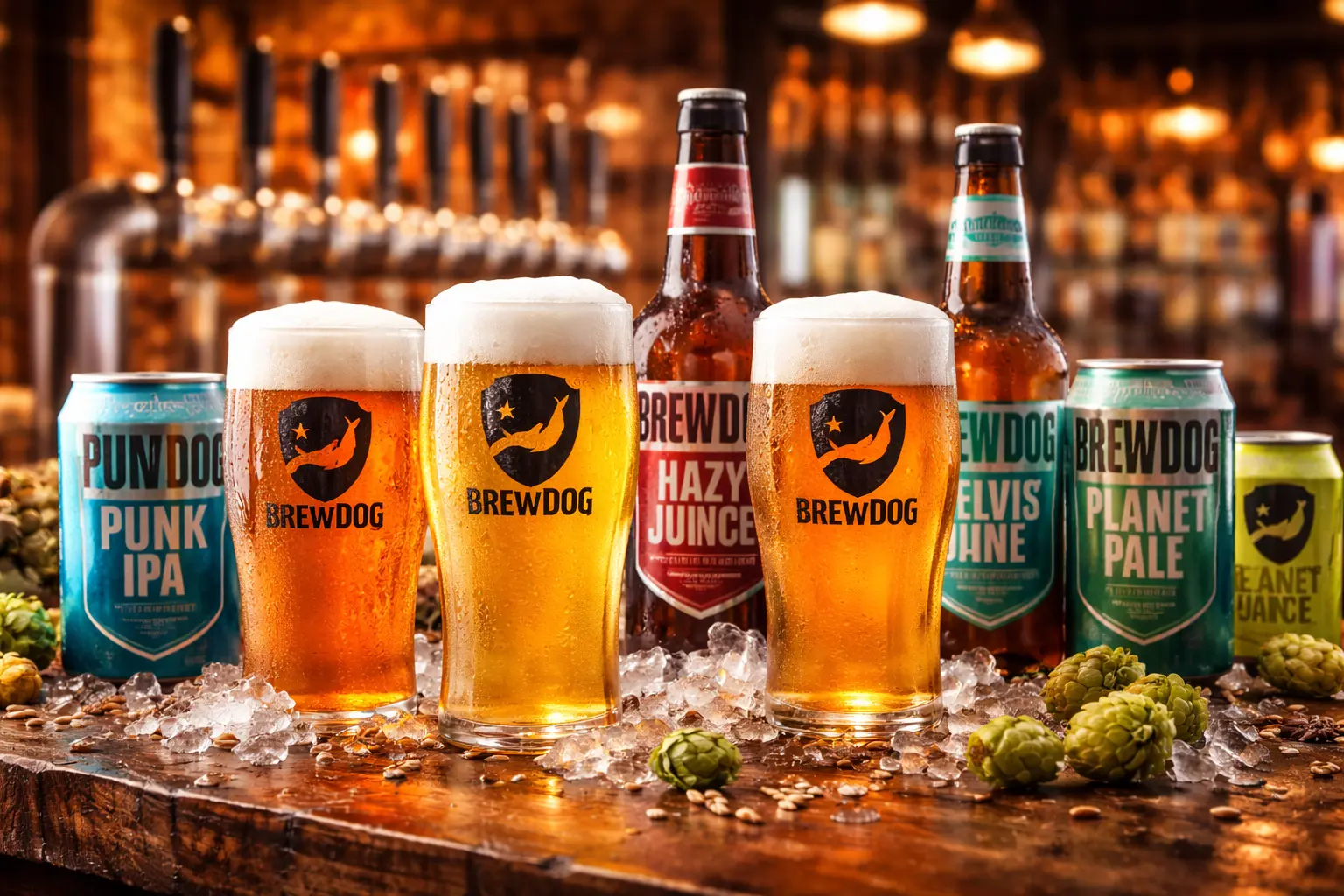
BrewDog beer sits in a rare space where taste, branding, and business strategy intersect. Many breweries make excellent beer. Fewer manage to turn their identity into a global conversation. BrewDog did that by combining bold flavours with a loud, unmistakable personality, and then scaling those choices into a brand people recognise even outside beer culture.
If you are discovering BrewDog for the first time, the simplest way to understand it is this: BrewDog is a craft brewery that treats beer like a creative product, not a commodity. That approach influences everything from the names of its beers to its packaging style to its willingness to experiment with strong hops, higher alcohol content, and unconventional ingredients. For some drinkers, it feels exciting and fresh. For others, it can feel intense. Either way, it rarely feels ordinary.
On a page like this for rajeevprakash.com, the goal is not only to describe BrewDog beer as a drink, but also to explain why it matters as a brand, why it became a symbol of the craft-beer movement, and how its product strategy reflects larger consumer trends that investors and business owners often watch closely.
From small-batch craft to global reach
BrewDog began as a craft operation built on the idea that beer could be more expressive, more flavour-forward, and less restricted by traditional expectations. The craft-beer movement was already forming in various markets when BrewDog arrived, but the brand pushed a particular style of rebellion. It did not try to blend in with old-school cues. It tried to disrupt them.
This kind of positioning matters because beer is not only about flavour. Beer is also habit, identity, and social signalling. People choose a lager at a pub because it is familiar. They choose a craft IPA because it says something about their taste. BrewDog leaned into that identity layer early. It marketed beer like a lifestyle product, and in many markets that helped it accelerate adoption.
As the craft category matured, BrewDog expanded beyond the idea of being simply “a local brewery.” It became a scalable consumer brand with recognisable flagship products, repeatable recipes, consistent packaging, and a retail strategy that encouraged direct engagement through bars, taprooms, and branded experiences.
What makes BrewDog beer different in taste and style
To understand BrewDog beer, you need to understand the craft palate. Craft drinkers often look for intensity. They want aroma, bitterness, juicy fruit notes, roasted depth, or sour tang. They tend to prefer beers that feel designed, not just produced. BrewDog’s best-known beers fit that expectation.
BrewDog has been strongly associated with hop-forward styles, especially pale ales and IPAs. These beers typically emphasise bold aroma, a bitter edge, and citrus or tropical fruit notes depending on the hop blend. That is the flavour profile many drinkers associate with modern craft beer, particularly in markets where pale lager dominated for decades. BrewDog helped make that transition easier for mainstream drinkers by offering a recognisable brand gateway into a new taste universe.
At the same time, BrewDog’s range has included darker beers, stronger beers, and seasonal experiments. The key is not a single style. The key is a mindset: treat beer as a portfolio. Keep a flagship that sells consistently, then surround it with limited runs, collaborations, seasonal releases, and innovation that keeps the brand interesting.
The flagship effect and why it matters
Every scaled beverage brand eventually faces the flagship question. If you want global distribution, you need a product that can be brewed consistently at volume, travel well, and remain stable in flavour and quality. BrewDog’s identity as an experimental craft brewery had to be balanced with the practical demands of mainstream retail. That tension is one of the most interesting business lessons in the craft category.
A flagship beer serves as a brand anchor. It reduces customer uncertainty. Someone who sees the same familiar BrewDog label repeatedly becomes more likely to try it. Once they try it, they are more likely to explore other variants. The flagship becomes a gateway product.
From a consumer perspective, that is convenient. From a business perspective, it is powerful. It reduces marketing cost per purchase over time. It increases repeat buying. It improves shelf positioning because retailers prefer predictable demand. It also gives the brewery a stable base that can fund innovation.
BrewDog’s product portfolio: a brand built like a menu
BrewDog beer is best understood as a menu, not a single drink. In a typical menu approach, the brewery keeps certain beers available most of the time, then rotates other beers to create novelty. This structure encourages both loyalty and curiosity.
For the everyday drinker, the reliable options matter most. These are the beers you can find consistently in supermarkets, bars, or online retailers. For the enthusiast, the rotating limited editions are the emotional hook. They create a reason to revisit the brand, to taste something new, to share it with friends, and to talk about it online.
A menu strategy also aligns with how modern consumers behave. People now expect choice. They expect brands to offer variants. They enjoy seasonal patterns. The beverage world has adopted the logic of streaming services and fast fashion: keep the core identity stable while continuously refreshing the offering.
The BrewDog “punk” identity and why branding drives taste perception
Taste is physical, but perception is psychological. The way a beer is named, designed, and positioned changes how it is experienced. BrewDog understood that, and it leaned into a bold identity that stood out on shelves and on tap lists.
The “punk” identity has worked as a shortcut. It communicates that this beer is not going to be mild, safe, or generic. It signals intensity. It also appeals to a particular consumer personality: people who like to feel early, alternative, or independent.
This matters because craft beer competes in a crowded attention environment. A consumer might face dozens of labels at a store. They might have seconds to choose. Strong branding can become a selection tool. It reduces decision fatigue. It also creates memorability, which is one of the most valuable assets in packaged consumer goods.
BrewDog and the economics of craft beer
Craft beer is not only a taste category. It is a margin category. Craft products typically command higher prices than mass-market lagers. That price premium reflects ingredients, smaller batches, variety, and brand value. It also reflects the consumer willingness to pay for story, authenticity, and perceived quality.
For a brewery, premium pricing can be attractive, but it comes with higher expectations. Quality consistency matters. Freshness matters. Distribution matters. If a hop-forward beer sits too long in poor conditions, it can lose the aroma that defines it. That risk is less obvious in mass-market lager. So scaling craft beer is not just about producing more. It is about building the operational capability to protect the product experience.
BrewDog’s growth shows how a craft brewery can attempt to solve this challenge through investment in production, distribution, and direct-to-consumer channels. The brand’s retail presence and its focus on experience-led locations can be seen as ways to protect the product, educate consumers, and capture more margin by owning part of the customer relationship.
BrewDog bars and the experience economy
In many modern consumer categories, the product alone is not enough. People want experience. Coffee became cafés. Fitness became studios. Beer became taprooms and branded bars.
BrewDog’s bar strategy fits this pattern. A branded bar is not just a place to sell pints. It is a showroom. It is a marketing channel. It is a place where consumers can test new releases, build emotional attachment, and associate the brand with social moments.
From a business perspective, it can also improve economics. Direct sales usually deliver better margins than wholesale distribution. Bars can also become data points. They reveal what people order, what price points they accept, and which flavours create repeat visits. That insight can feed product decisions and improve the success rate of new releases.
The global craft-beer shift and why BrewDog benefited
BrewDog rose during a period when consumers began to change what they wanted from alcohol. Many started seeking quality over quantity. They became more open to higher prices if the product felt special. They began exploring flavours rather than sticking to one familiar option.
This shift was supported by broader trends. Social media helped people share discoveries. Urbanisation created more “try new things” culture. Food culture expanded, and beer began to be treated like wine, with pairing ideas and tasting language. BrewDog’s approach aligned well with that environment.
When a consumer trend changes, brands that already match the new demand can grow quickly. BrewDog had a strong identity and a portfolio strategy ready for a world that valued novelty and flavour intensity.
BrewDog’s place in the conversation: admiration, debate, and visibility
Large, visible brands often create mixed opinions. BrewDog has strong supporters who love the beer, the innovation, and the boldness. It also has critics who question aspects of the brand’s style and messaging. This is not unusual for companies that grow fast and build strong identities.
From a brand strategy viewpoint, visibility is a double-edged sword. It increases reach, but it increases scrutiny. The craft segment is especially sensitive to authenticity. Some drinkers prefer small, local breweries and can be skeptical of anything that feels corporate. BrewDog sits in that tension because it started as a craft rebel and then scaled into a large global brand.
For a reader trying to understand BrewDog objectively, it helps to separate two things. The first is the product experience, meaning whether you enjoy the beer. The second is the brand story and the business choices behind it. Both can be discussed without turning the topic into a moral debate. The useful insight is to observe how modern consumers evaluate brands not only by quality, but also by identity and narrative.
How to choose a BrewDog beer based on your taste profile
BrewDog’s range can feel overwhelming if you are new. The easiest way to choose is to start from what you already like. If you enjoy clean, light beers and want to explore craft gently, a lighter pale ale or a more balanced option is often a better first step than an aggressively bitter IPA. If you already enjoy hop intensity, you may prefer the brand’s more aromatic and stronger offerings.
If you prefer malty, roasted flavours, darker styles can offer a different side of BrewDog that is less about sharp hops and more about depth. If you like tart, fruity, or sour notes, limited releases and seasonal variants can be interesting.
The key is to treat it as exploration. Craft beer is similar to coffee. The first strong espresso can feel too intense. Over time, you learn which intensity you enjoy and why.
BrewDog and food pairing as a simple upgrade
One of the reasons craft beer has grown is that it pairs well with food. Hop-forward beers can cut through rich, fatty meals and refresh the palate. Malty beers can complement grilled flavours. Dark beers can pair with chocolate and desserts. Sour beers can brighten spicy foods.
BrewDog beers, particularly the hop-forward range, often work well with burgers, fried foods, spicy dishes, and strong flavours because the bitterness and carbonation can balance richness. If you want a more refined experience, you can treat the beer like a wine pairing, focusing on contrast and balance rather than matching identical flavours.
This matters for consumer behaviour because pairing increases perceived value. When a beer feels like a deliberate choice for a meal, people accept premium pricing more easily. That is one reason restaurants and modern pubs like showcasing craft beer.
The business lesson: how a beverage brand builds loyalty
BrewDog’s most interesting lesson for founders and marketers is how it built loyalty. Loyalty in beer is difficult because consumers are tempted by novelty. Craft drinkers like trying new releases. Yet BrewDog created a relationship strong enough that many people keep coming back.
The loyalty formula often includes a combination of recognisable identity, consistent flagship quality, and regular innovation. The identity gives meaning. The flagship gives reliability. The innovation gives excitement. Together, they create a cycle where the consumer feels both safe and curious.
This is the same formula used by many successful consumer brands, from fashion to technology. You keep the core promise stable, then refresh the offering around it.
BrewDog and the investor lens: what to watch in a craft brand
If you look at BrewDog through an investor lens, the most relevant themes are not only beer sales. They are distribution, pricing power, and brand durability.
Distribution matters because beverages scale through shelf space and tap presence. Pricing power matters because cost pressures in ingredients and logistics can compress margins if a brand cannot adjust prices. Brand durability matters because consumer tastes change quickly. A craft brand can grow fast and then fade if it becomes boring or loses trust.
Experience-led channels, such as branded bars, can help protect margin and strengthen consumer connection. However, they also add operational complexity and exposure to location economics. The brand must balance growth with consistency.
For a finance-focused audience, the deeper insight is that craft beer behaves like premium consumer goods. It is influenced by disposable income, lifestyle trends, and social habits. In tougher economic periods, consumers may reduce spending but still treat themselves with affordable luxuries, and a premium beer can fit that role. In strong periods, consumers explore even more, and premium categories thrive. This makes craft beer an interesting case study in consumer cyclicality.
BrewDog as a symbol of changing alcohol preferences
Across many markets, consumers have become more mindful about alcohol. Some drink less frequently. Some switch between alcoholic and low-alcohol options depending on the occasion. Some want better quality, not higher volume. Craft brands have responded by expanding variety and offering options that suit different contexts.
BrewDog’s broad portfolio approach fits this world. People can choose based on mood, food, and occasion. That flexibility helps brands stay relevant as consumer behaviour evolves. The broader trend here is personalisation. People want choices that match their lifestyle rather than a one-size-fits-all drink.
BrewDog in culture: why people talk about it
Certain brands become cultural markers. BrewDog often appears in conversations about modern beer because it has been visible in retail, bars, and marketing. People recognise the name. They associate it with craft identity. They compare it with other craft brands. That makes it a reference point.
This cultural role creates what marketers call mental availability. When someone thinks “craft beer,” they remember a few brands. If BrewDog is one of them, it wins share of mind. Over time, share of mind often becomes share of market, especially when the product is accessible and consistently distributed.
Understanding the BrewDog taste journey
Many people’s BrewDog journey begins with a first encounter that feels more intense than expected. That intensity is often the point. Hop bitterness can surprise drinkers used to mild lagers. Aromatic profiles can feel new. Once the palate adjusts, the same drinker may begin to appreciate how the beer delivers a richer experience.
This journey mirrors the broader craft-beer adoption path. First you try it because the brand looks interesting. Then you react, either positively or negatively. If you like it, you begin learning the language of hops, malt, aroma, and balance. If you do not like it, you may still appreciate that craft beer offers variety, and you might later discover a style you enjoy more.
BrewDog benefits from being a gateway. It is widely available in many markets, making it an accessible starting point.
Practical advice for enjoying BrewDog at its best
The way a beer is stored and served affects the experience. Hop-forward beers tend to shine when they are fresh, properly chilled, and poured with enough space for aroma to rise. If a beer is too cold, you may lose some aroma. If it is too warm, bitterness can feel harsh.
Glassware also matters. A simple tulip-shaped glass can help concentrate aromas better than drinking straight from the can or bottle. That said, many people enjoy the convenience of the can, and the modern can format is often used because it protects beer from light damage and can preserve aroma better than clear bottles.
The key is not perfection. The key is awareness. A small improvement in serving can noticeably improve the taste experience.
BrewDog and what its story suggests about modern consumer brands
BrewDog’s story illustrates a powerful modern pattern: strong brands today often behave like media companies. They create conversation. They build communities. They encourage sharing. They use identity and controversy as tools for visibility. This is not unique to beer. It shows up in fashion, wellness, technology, and finance content too.
For rajeevprakash.com readers, this is a useful comparison. Whether you build a product, a platform, or a premium advisory brand, the core challenge is the same. You must build trust and attention. BrewDog achieved attention quickly through boldness. The long-term challenge for any bold brand is to keep trust strong while maintaining excitement.
Conclusion: Why BrewDog beer remains relevant
BrewDog beer remains relevant because it represents more than flavour. It represents a shift in how people choose what they drink. It reflects the move from mass-market sameness to premium variety, from passive consumption to identity-driven choice, and from a product-only mindset to an experience-plus-brand ecosystem.
If you enjoy hop-forward beers, BrewDog can be a reliable part of your rotation. If you are new to craft beer, it can be a strong introduction, especially if you choose a balanced entry point first. If you are a founder, marketer, or investor, BrewDog is a valuable case study in how a consumer brand scales while trying to keep its edge.
Ultimately, BrewDog’s biggest achievement is that it made beer feel like a conversation again. And in a crowded world where most products fade into the background, being talked about is a form of power.