
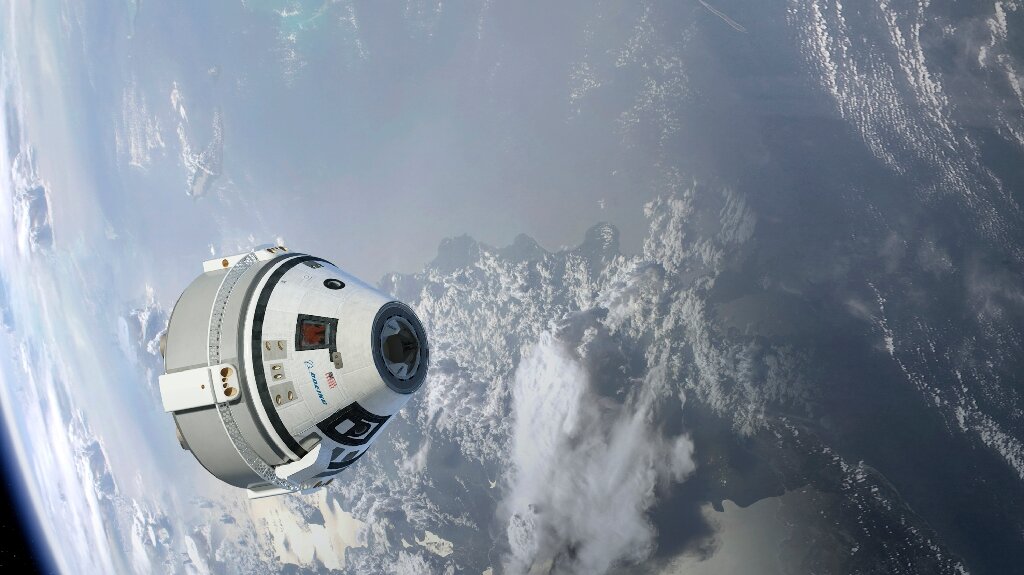
“Boeing Starliner failure” usually refers to the first crewed Starliner test flight in June 2024 (the Crew Flight Test) that suffered serious propulsion anomalies, ultimately leading NASA to decide the astronauts would not return to Earth on Starliner. NASA later classified the event as a Type A mishap, its highest severity category, and released a detailed investigation report describing both technical faults and leadership and process failures.
What Starliner Is and Why the 2024 Mission Mattered
Starliner is Boeing’s crew capsule developed under NASA’s Commercial Crew Program to provide an alternative to SpaceX Crew Dragon for transporting astronauts to and from the International Space Station. The strategic goal is redundancy: NASA does not want to depend on a single provider for crew access to LEO, especially as ISS operations continue toward the 2030 timeframe and commercial stations emerge.
The Short Version of the Failure
Starliner launched with two NASA astronauts, docked to the ISS, but experienced helium leaks and multiple thruster/propulsion issues severe enough that NASA concluded returning the crew on Starliner was too risky. Starliner ultimately returned uncrewed in September 2024, and the astronauts returned later on SpaceX Crew-9 in March 2025.
A Clear Timeline of the Starliner Crew Flight Test
Starliner launched on June 5, 2024, reached the ISS on June 6, then remained docked far longer than planned while teams assessed propulsion risks. On August 24, 2024, NASA announced Starliner would return without crew due to unresolved concerns, and the capsule landed at White Sands in September 2024. Wilmore and Williams returned via Crew-9 in March 2025.
The Technical Core: Thrusters, Helium Leaks, and Why This Was So Serious
NASA’s public material on the return decision highlighted helium leaks and reaction control thruster issues identified as Starliner approached the station. Those issues were not merely “minor glitches” because they map directly to the capsule’s ability to maneuver, maintain attitude, and execute critical phases such as departure, deorbit preparation, and controlled entry procedures.
What NASA’s Investigation Report Said in Plain Language
NASA released a formal investigation report and stated the vehicle’s 2024 flight was classified as a Type A mishap. In parallel reporting on the report, NASA leadership described the event as involving potentially life-threatening technical and management failures, and noted that the mission’s mishap classification was upgraded to Type A.
The “Type A Mishap” Label and Why It Changes the Conversation
Type A is not a casual label in NASA’s safety culture. The coverage around the report emphasizes that NASA judged the incident to meet criteria for its highest-level mishap category, underscoring the degree of risk the agency believes existed during the mission. For the program, this typically means deeper corrective actions, stronger independent review pressure, and a higher bar before a crewed return to flight.
The Human Outcome: Two Astronauts Stayed Much Longer Than Planned
The mission was originally expected to be short, but the astronauts remained on the ISS for roughly nine months longer than expected, then returned on SpaceX Crew-9 in March 2025. The extended stay became a high-visibility symbol of why “redundancy” is not just a slogan: the backup ride home ended up being essential.
The Organizational Failure: NASA and Boeing Process Breakdowns
Multiple reports based on NASA’s investigation describe tense internal dynamics, disagreements, and poor leadership decision-making alongside technical issues. Reuters reported the investigation documented dysfunction and emotionally charged clashes during the crisis, and that NASA leadership criticized both Boeing and NASA management failures, not only hardware.
Why NASA Still Wants Starliner Despite the Setback
Even after the failure, NASA’s strategic need for a second crew provider remains. If Starliner can be made safe and reliable, it reduces single-provider risk and strengthens negotiating and operational flexibility. That said, NASA’s public posture (per recent coverage) is that Starliner won’t fly crew again until issues are fully resolved, with discussion of interim uncrewed/cargo-style missions as part of the return-to-flight pathway.
What “Fixing Starliner” Likely Requires
Based on the themes in NASA’s materials and reporting, the return-to-flight effort is not one patch. It is usually a package: propulsion system redesign or requalification where needed, better fault tolerance verification, tighter thermal and leak management, improved end-to-end testing that reproduces on-orbit conditions, and stronger governance so engineering concerns cannot be overridden by schedule pressure. NASA’s own return decision language emphasized extensive review work, testing, and independent propulsion expert input before deciding an uncrewed return was the safer path.
Investor Lens: What This Means for Boeing and the Space Segment
From an investor standpoint, Starliner is a credibility and execution story as much as a contract story. The program has already been associated with large cost burdens in public reporting, and a Type A mishap classification raises the perceived risk that additional engineering cycles, rework, and delays will persist. It can also influence how investors assess Boeing’s space portfolio governance, not just its revenue outlook, because NASA’s criticism encompassed organizational behavior and decision quality.
What to Watch Next If You Want the “Fully Updated” Picture
The most meaningful near-term signals are concrete NASA/Boeing milestones rather than target dates: completion of propulsion root-cause validation, successful ground tests reproducing the failure modes, completion of independent safety reviews, and an agreed flight profile for the next mission (often discussed as uncrewed or cargo-oriented first). NASA’s official report release and NASA’s FAQ/decision pages remain the anchor references for this.