
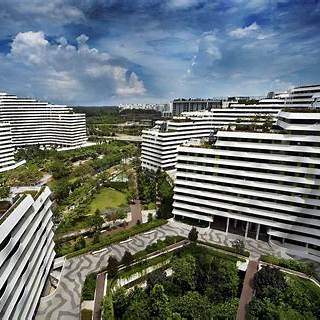
Singapore is one of the easiest global cities to “land and live” in, because daily life works. Public transport is dependable, streets are well lit, essentials are close by, and most neighbourhoods feel safe day and night. Singapore Police Force reporting consistently frames the city as a very safe place to live, and their latest crime brief gives a transparent view of trends in physical crime and crimes of concern.
For 2026, the practical reality for most households is that lifestyle fit matters as much as postcode. Rents have also been shifting pace rather than moving in one direction forever, with URA reporting a modest full-year rental index increase in 2025 and a small decline in 4Q2025. That matters because it changes the “value feeling” of central versus fringe living.
This guide focuses on what you asked for, safety, cost of living, expat friendliness, and accessibility, and it’s written for people publishing on WordPress who want readable, decision-useful content.
How to Choose the Right Area in 2026
Safety is rarely the differentiator between Singapore neighbourhoods, because baseline safety is high across the island and policing is strong. Your choice tends to come down to budget and commute shape. If you work around the CBD or Marina Bay, central and city-fringe areas buy you time back every day. If you have kids or want space, the same money goes further in mature heartland towns with excellent amenities and MRT access.
In 2026, many newcomers also pay closer attention to rental dynamics and overall living costs because Singapore remains one of the costliest cities for international workers in major rankings. That does not mean “everything is expensive everywhere.” It means choosing the right neighbourhood is your biggest lever for controlling monthly burn while still enjoying the Singapore experience.
Accessibility is not just “near an MRT.” It is about interchanges and line options. Interchange stations and dense rail connectivity reduce the pain of job changes, school changes, and weekend life. The Land Transport Authority’s system map is the most reliable reference for how lines connect and where the major interchanges sit.
Holland Village and Bukit Timah
If you want classic expat energy with a social neighbourhood feel, Holland Village and the wider Bukit Timah corridor remain a top-tier choice. It is known for dining, cafés, and a familiar “international village” vibe, while also being close to greenery and established family housing. Singapore EDB’s neighbourhood guide highlights Holland Village as lively and popular but also flags the trade-off of higher prices and some nightlife noise.
For families, this zone tends to appeal because many schools and preschools are within reach, and housing options range from condos to landed homes. Expat Living describes Holland Village, Bukit Timah and nearby areas as a traditional expat heartland with convenient MRT connectivity through the Circle and Downtown Lines.
Cost-wise, expect a premium for walkability to Holland V, proximity to schools, and the central-west location. The best value often appears one or two MRT stops away, where you still get the same commute benefits without paying the “name tax.”
River Valley and Orchard
If your priority is being near the city’s commercial core, River Valley and Orchard deliver the most “central Singapore” lifestyle. You are minutes from the CBD, Orchard Road shopping, the river dining stretch, and major entertainment areas. EDB’s guide frames River Valley and Orchard as a premium condo-dominated area with a high-end lifestyle profile.
This is also one of the easiest places for newcomers because everything is close and familiar, gyms, supermarkets, international dining, serviced apartments, and straightforward taxi access. The trade-off is cost. Rental listings in the Orchard and River Valley zone routinely sit in high price brackets, reflecting the central location and condo-heavy inventory.
If you are an expat professional on a corporate housing budget, this can be the simplest “first year in Singapore” choice. If you are self-funding, you can often get more space by shifting slightly outward to Tiong Bahru, Queenstown, Novena, or East Coast while still keeping commutes practical.
Tiong Bahru and Queenstown
Tiong Bahru is the “heritage-meets-modern” pick that many people fall in love with after a few weekends in the city. You get charming streets, cafés, and a strong neighbourhood identity, while still being close to central Singapore. It is also a comfortable option for expats who want character without being far from the CBD. Several expat guides repeatedly include Tiong Bahru among popular areas for international residents.
Queenstown, just next door in practical terms, is one of the most convenient mature estates, with excellent connectivity and a wide range of housing stock. If you want to be near the city but prefer a calmer, more residential feel than River Valley, this zone often hits the balance.
Cost of living here can be more forgiving than Orchard and River Valley, especially if you choose slightly older condos or well-located HDB rentals. The day-to-day experience is strong because you are close to town, close to parks, and not far from major employment nodes like one-north and the CBD.
Tanjong Pagar and the CBD Fringe
For people who want a true “walk to work” routine, Tanjong Pagar and the CBD fringe are hard to beat. You will pay for the convenience, but you can often save commuting time so dramatically that it changes your weekly rhythm. This is a popular choice for finance, consulting, and tech professionals working long hours who want food, cafés, and transport at their doorstep. Expat relocation guides frequently list the CBD and Tanjong Pagar as prime expat areas due to access and lifestyle density.
The big consideration is that living close to nightlife and business districts can feel busy. If you like quieter evenings, consider a compromise zone like Robertson Quay, Tiong Bahru, or River Valley’s more residential pockets, which still keep you close but soften the intensity.
Novena and Newton
Novena and Newton are the “central without the CBD chaos” option. They are popular with professionals who want quick access to town, medical facilities, and multiple transit options, while keeping a more residential atmosphere. Many expat guides group Newton and Novena together as established, centrally located areas that work well for newcomers.
In 2026, these neighbourhoods continue to appeal because they are structurally well positioned. If you change jobs, you are still central. If you need to travel frequently, you are well connected. If you want weekend flexibility, you are close to Orchard, the Botanic Gardens area, and multiple dining hubs.
Costs sit below the very top prime pockets but are rarely “cheap.” Value tends to come from choosing the right building, older but well-maintained condos, or units slightly away from the most obvious hotspots.
East Coast and Katong
If you want Singapore’s coastal lifestyle, East Coast and Katong are the names that come up again and again. The vibe is more relaxed, with beach access, cycling paths, and a strong food culture. For many expats, it also feels more “neighbourhood-like” than high-rise central living, while still remaining well connected. Property guides have long highlighted Katong’s amenity density and lifestyle appeal.
This zone can be especially good for families who want weekend outdoor time to be effortless. Your daily routine can include a morning run by the coast or a casual evening dinner without fighting city crowds.
Cost depends heavily on exact location and housing type. The most popular stretches near major malls and coastal access tend to price higher, while nearby pockets can offer better value for similar access. If your work is in the CBD, commuting is generally manageable, but it is worth testing your exact route during peak hours.
Bishan and Ang Mo Kio
If you want a “Singaporean heartland, but extremely convenient” base, Bishan and Ang Mo Kio are standout options. These are mature estates with strong amenities, parks, and transport links, often favoured by families who want schools, clinics, malls, and daily essentials close by. Property guides and town reviews repeatedly highlight the mature-estate convenience of Ang Mo Kio, including parks, retail hubs, and established infrastructure.
This is also where accessibility becomes very real, because central interchanges shorten trips in many directions. The LTA system map shows how central interchanges and line connectivity anchor commutes, which is why areas near these networks remain popular.
Cost of living can be more predictable here than prime central districts, and you often get more space for the same rent. If you want “live like a local, but keep life easy,” this is a strong 2026 pick.
Serangoon
Serangoon is a practical favourite because it sits on a major interchange and is integrated with a large mall and bus interchange, making daily life simple. Serangoon MRT is an interchange on the North East Line and Circle Line, and it is directly linked to Nex and the bus interchange, which is exactly the kind of setup that makes commuting and errands smoother.
For expats, Serangoon can be a smart value play when central rents feel steep. You stay connected, you get strong amenities, and you still reach the city relatively quickly. It can be especially appealing for people who want a straightforward routine and do not need the “prime district” label.
Tampines
If you want a self-contained town with strong retail, food, and transport options, Tampines remains one of the most proven choices. It is also one of the most active HDB resale markets, which reflects how consistently people choose the area for practicality and amenities.
For 2026, Tampines works well for families and budget-conscious expats who value space, parks, malls, and straightforward daily logistics. Your commute to the CBD is longer than central areas, but the trade-off can be significant savings on rent and a more spacious home.
Punggol and Sengkang
Punggol and Sengkang appeal to people who want newer estates, modern layouts, and more of a “fresh town” feel. They are popular with young families and anyone who prefers planned, newer residential environments with waterfront parks and open spaces. In terms of demand signals, Sengkang has been among the most active towns for flat transactions, indicating sustained interest in the area’s lifestyle and affordability profile.
The trade-off is distance from the city core. If you work in the CBD and commute daily, you need to be realistic about travel time. However, if you work hybrid, or your job is in the northeast corridor, these areas can be a strong 2026 balance of cost, space, and modern living.
A Quick 2026 Reality Check on Costs and Renting
Even if you choose the perfect neighbourhood, your actual monthly cost depends on rental conditions and housing type. URA’s latest release notes that the private residential rental index grew modestly across 2025 and dipped slightly in 4Q2025, which suggests a more balanced rental environment than the rapid moves seen in earlier cycles.
This matters because “negotiability” and “value pockets” tend to appear when the market cools. If you are flexible on unit size, floor level, or being one MRT stop away from the headline hotspot, 2026 can reward you with better deals.
What Most Expats Get Wrong When Picking a Singapore Neighbourhood
The most common mistake is choosing an area based only on reputation. In Singapore, two neighbourhoods that look similar online can feel completely different in daily rhythm, noise level, and convenience. Another mistake is undervaluing interchanges. A home that is slightly less “fashionable” but sits on an interchange can outperform a trendier address that forces multiple transfers.
Finally, many newcomers forget to match the neighbourhood to their weekday reality. If you work long hours, being close to work and food options can matter more than extra space. If you prioritise rest and routine, quieter residential pockets slightly away from nightlife often feel better within a month.
Conclusion: The Best Neighbourhood Is the One That Buys You Time
For 2026, Singapore’s best neighbourhoods to live in are not just the ones with the highest rents or the most famous names. They are the ones that match your budget, protect your daily time, and fit your lifestyle.
If you want expat-friendly social energy and central-west convenience, Holland Village and Bukit Timah are hard to beat. If you want prime central living with the easiest access to everything, River Valley and Orchard are the classic choice, at classic prices. If you want character with city proximity, Tiong Bahru and Queenstown deliver a rare mix. If you want coastal lifestyle, East Coast and Katong are the relaxed, outdoorsy answer. And if you want space, value, and everyday convenience with strong connectivity, mature estates like Bishan, Ang Mo Kio, Serangoon, and Tampines remain consistently smart picks.