
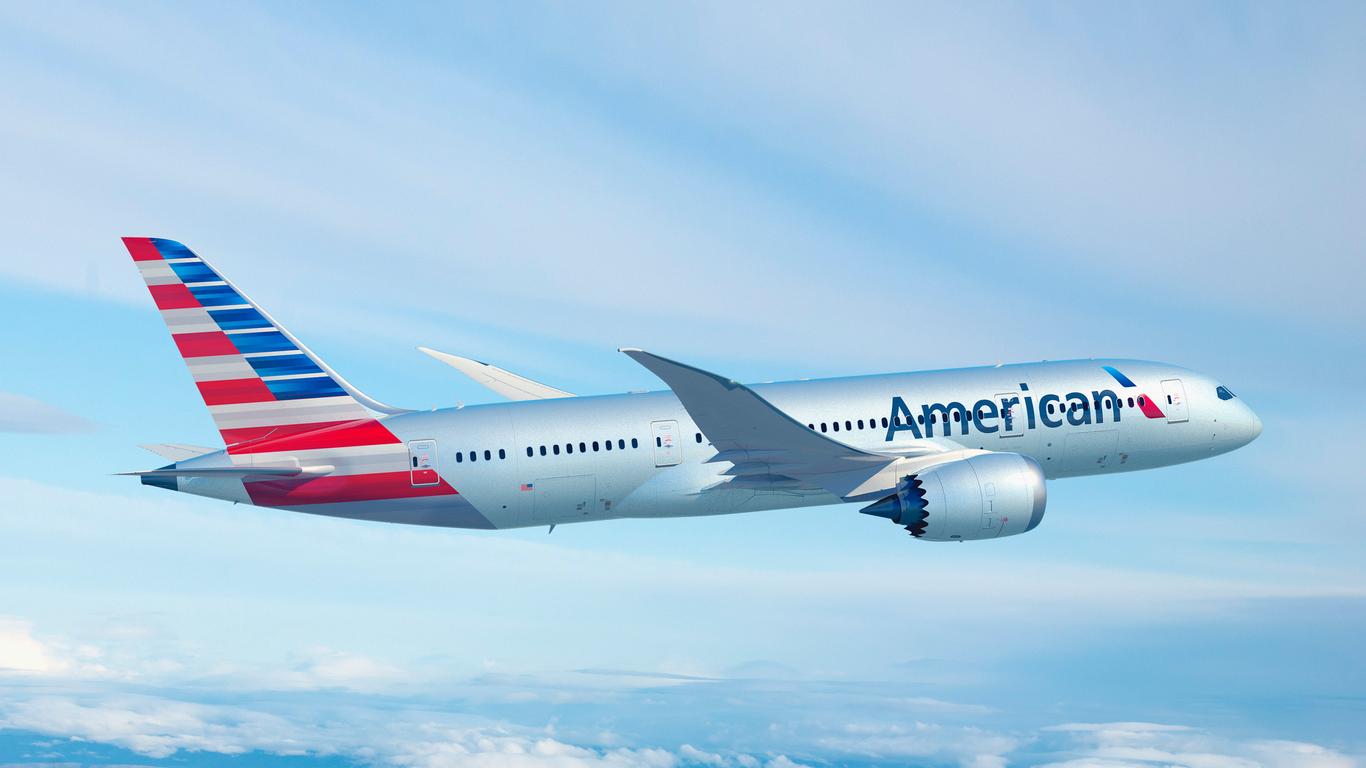
American Airlines, one of the largest carriers in the United States, periodically cancels flights due to a combination of factors ranging from weather disruptions to staffing shortages and technical issues. In recent years, these cancellations have sparked concern among travelers and investors alike, prompting discussions about operational efficiency, labor negotiations, and airline industry resilience.
Why Is American Airlines Cancelling Flights ?
American Airlines flights may be cancelled for several reasons. Understanding these causes helps travelers prepare better and allows analysts to assess the company’s logistical planning. Key reasons include:
1. Weather-Related Disruptions
Severe weather conditions such as hurricanes, snowstorms, and thunderstorms are among the most common causes of flight cancellations. As a major domestic and international airline, American Airlines often adjusts flight schedules preemptively to ensure passenger safety.
2. Pilot and Crew Shortages
Labor shortages, particularly involving pilots and flight attendants, have been a major factor in cancellations. Despite rehiring efforts after the pandemic-induced layoffs, many airlines are still experiencing a lag in fully staffing all scheduled routes.
3. Technical and Aircraft Maintenance Issues
Unexpected technical glitches or scheduled maintenance issues may render aircraft temporarily unavailable. Federal regulations mandate high safety standards, leading to cancellations when planes do not meet criteria.
4. Air Traffic Control Delays
Congestion in major airports and limited staffing at air traffic control centers can result in delays that lead to cancellations. During peak travel periods or weather-related strain on systems, the ripple effect becomes significant.
5. Operational Streamlining
American Airlines has also been known to cancel underbooked or less profitable routes to reallocate aircraft and crew more efficiently. This strategic decision can boost financial performance but often frustrates affected passengers.
Recent Headlines and Trends
In 2025, flight cancellations have re-entered headlines as travel demand surges post-pandemic and infrastructure limitations are tested. Thousands of American Airlines flights were cancelled or rescheduled during major U.S. holidays and weather emergencies. Travel forums and social media platforms have seen an uptick in complaints about last-minute disruptions, missed connections, and delayed refunds.
What Should Travelers Do If Their Flight Is Cancelled?
If your American Airlines flight is cancelled, the following steps can help mitigate disruption:
- Check your email and app notifications for rebooking options.
- Use the American Airlines app or website to reschedule without waiting in long customer service lines.
- Know your passenger rights under U.S. Department of Transportation rules—especially regarding refunds and hotel stays.
- Contact your credit card provider if you booked using a card that offers travel protection.
- Document all communication with the airline for potential follow-up or claims.
Impact on Investors and Shareholders
For investors, frequent flight cancellations reflect both operational risks and opportunities. While cancellations may point to internal inefficiencies or strained infrastructure, they can also indicate rising demand and capacity challenges—factors that can influence stock prices and strategic direction. American Airlines Group Inc. (AAL), traded on NASDAQ, is constantly under scrutiny for its financial performance, customer satisfaction metrics, and on-time arrival rates.
How Frequent Are American Airlines Cancellations?
While occasional cancellations are expected across all major airlines, American Airlines has faced heightened scrutiny in recent years. According to flight tracking data, American Airlines has cancelled hundreds to thousands of flights during peak travel seasons, including holiday weekends and summer vacations. In July 2025 alone, over 1,200 flights were reportedly cancelled due to extreme heat and staffing gaps across several major U.S. hubs.
The most impacted airports often include:
- Dallas/Fort Worth International Airport (DFW)
- Charlotte Douglas International Airport (CLT)
- Miami International Airport (MIA)
- Chicago O’Hare International Airport (ORD)
- Philadelphia International Airport (PHL)
These hubs are critical to American’s domestic and international network, so cancellations here cause widespread delays.
Flight Cancellation Policy of American Airlines
Understanding American Airlines’ flight cancellation policy can save travelers both time and money. Here are the key highlights:
- Voluntary Cancellation (by passenger): Most Basic Economy fares are non-refundable. However, Main Cabin and above may allow credit toward future travel.
- Involuntary Cancellation (by airline): If American cancels your flight, you are entitled to a full refund, even on non-refundable tickets, if you opt not to travel.
- Compensation and Rebooking: If the airline cancels due to mechanical or staffing issues, it typically offers hotel vouchers, food credits, or alternate flights.
Always check the most updated policy on the official American Airlines website or app.
How to Check If Your American Airlines Flight Is Cancelled
Before heading to the airport, follow these steps to confirm your flight status:
- Use the American Airlines mobile app for real-time updates.
- Visit aa.com and enter your flight details under “Manage Trips”.
- Sign up for flight alerts via SMS or email.
- Track flights on trusted third-party apps like FlightAware or FlightRadar24.
Travelers should check their status at least 24 hours and again 4–6 hours before departure.
Tips to Avoid Disruption Due to Flight Cancellations
Although cancellations are out of passengers’ control, there are steps you can take to reduce risk:
- Book early flights (before noon): Morning flights are less likely to be affected by cumulative delays.
- Fly non-stop when possible: Connecting flights increase the risk of missed connections due to delays.
- Avoid peak travel periods: Thanksgiving, Christmas, and summer weekends often have the most congestion.
- Enroll in loyalty programs: Elite members often get priority rebooking options.
American Airlines vs Other U.S. Carriers: Cancellation Comparison
Here’s a quick snapshot comparing American Airlines to other major airlines based on recent cancellation metrics:
| Airline | Avg. Monthly Cancellations | On-Time Arrival Rate | Hub Complexity |
|---|---|---|---|
| American Airlines | 1,000–2,500 | ~78% | High |
| Delta Air Lines | 500–1,200 | ~85% | Medium |
| United Airlines | 800–1,800 | ~80% | High |
| Southwest Airlines | 700–1,500 | ~76% | Medium |
American’s complex hub-and-spoke model contributes to higher disruption potential during weather and staffing crises.
Industry Response and Government Oversight
In light of frequent cancellations, the U.S. Department of Transportation (DOT) has ramped up enforcement efforts. In 2025, DOT introduced stricter refund rules and mandated clearer communication to passengers in the event of disruptions. Airlines, including American, are under pressure to improve infrastructure, transparency, and customer service standards.
The FAA is also exploring solutions to reduce congestion in key airspaces, especially around the East Coast corridor and major Texas airports.
American Airlines: Moving Toward a More Reliable Future?
To rebuild trust, American Airlines has announced several strategic initiatives:
- Hiring over 10,000 new staff members by the end of 2025
- Expanding pilot training programs and flight crew capacity
- Investing in AI-driven scheduling software for real-time fleet optimization
- Working with the FAA to streamline ground operations and reduce gate delays
These efforts are expected to reduce cancellations and improve passenger experience over the long term.
How Do American Airlines Cancellations Affect the Stock Market?
Frequent cancellations not only frustrate travelers but also send signals to Wall Street. Institutional investors track operational metrics like on-time performance, cancellation rate, and load factor to assess airline efficiency. When American Airlines experiences widespread cancellations, especially during earnings season or major travel periods, the stock (AAL) often reacts with increased volatility.
For example, during the July 2023 Fourth of July weekend, when American cancelled over 2,000 flights due to staffing shortages and weather, its stock dipped nearly 5% in three days. Analysts downgraded the stock due to operational fragility and rising labor costs.
Key Metrics Analysts Monitor:
- Completion Factor: Percentage of scheduled flights completed
- CASM (Cost per Available Seat Mile): Measures operational efficiency
- Revenue per Available Seat Mile (RASM): Reflects demand strength
- Unit Labor Cost: Rising during pilot negotiations or union disputes
American Airlines’ cancellation trends can be a leading indicator for both short-term trading decisions and long-term investment outlooks.
Customer Reactions: Real Experiences with Cancellations
Many American Airlines customers have taken to social media and review platforms to share their stories. Here’s a summary of real issues travelers have faced:
1. Missed Connections for International Trips
Customers flying from regional airports (like Tulsa or Des Moines) to international hubs often miss connecting flights when their domestic leg is cancelled or delayed.
2. Inadequate Customer Service Response
Several passengers have reported waiting hours to get rebooked or reach an agent. American’s reliance on automated systems has led to frustrations when human assistance is urgently needed.
3. Limited Hotel Compensation
While American Airlines often provides hotel vouchers for cancellations within their control, some passengers have reported being stranded overnight without assistance—especially during system outages.
4. Inconsistent Rebooking Priority
Elite status passengers typically receive priority during rebooking, leaving casual travelers at a disadvantage during mass cancellations.
Is American Airlines Doing Enough?
Critics argue that American Airlines has been slow to adapt post-COVID. While Delta and United made earlier investments in AI tools and pilot retention, American’s hub-heavy operations have exposed it to more risk. However, American has responded with:
- $1.2 billion fleet modernization plan
- Technology upgrades at gates and check-in areas
- Expanded remote work options for support staff
- Enhanced weather tracking tools integrated with flight ops
How American Airlines Communicates Cancellations
American Airlines uses multiple channels to inform passengers of cancellations:
- Mobile App Alerts
- Email and SMS Notifications
- Push Notifications via AA Advantage Program
- Flight Status Boards at Airports
- Social Media (particularly Twitter/X for real-time updates)
Still, delays in communication during mass cancellations remain a pain point, and experts suggest the airline invest more in AI-powered customer response systems.
The Role of the FAA and Government Policy
The U.S. government has been pushing for more transparency and accountability from airlines. In 2025, the Department of Transportation introduced new cancellation disclosure rules, requiring airlines to:
- Publish cause of cancellation (weather vs internal issues)
- Clearly disclose refund options and timelines
- Offer better tracking tools for affected passengers
American Airlines, like its peers, is required to submit monthly performance data to the Bureau of Transportation Statistics (BTS). Travelers can now compare cancellation rates across airlines before booking.
Should You Avoid American Airlines?
Not necessarily. Despite the issues, American Airlines still offers:
- Extensive route network, especially for those in the southern and eastern U.S.
- Competitive pricing compared to Delta and United
- AAdvantage loyalty program, which is among the most generous in the industry
- New aircraft on major domestic routes, offering better comfort and in-flight services
But if you’re traveling during high-risk periods or require strict reliability, consider booking early in the day and choosing flexible ticket options.
Key Takeaways for Travelers and Investors
- For Travelers: Be proactive. Monitor your flight 24 hours before departure, sign up for alerts, and understand your rights. Avoid tight layovers and fly early in the day when possible.
- For Investors: Watch cancellation metrics, union negotiations, and American’s labor cost trends. Operational resilience is becoming a key valuation factor for airline stocks.
Future Outlook
To mitigate future cancellations, American Airlines has been investing in:
- Hiring more pilots and ground staff
- Upgrading digital systems for scheduling and routing
- Collaborating with FAA on air traffic improvements
- Enhancing aircraft maintenance and turnaround protocols
The airline aims to improve customer trust and minimize cancellations by enhancing its operational flexibility and crisis management systems.